
How to Choose the Perfect Steak
Discover the secrets professional butchers use to select the finest steaks. From understanding marbling to choosing the right cut for your cooking method, this comprehensive guide will transform your steak selection skills.
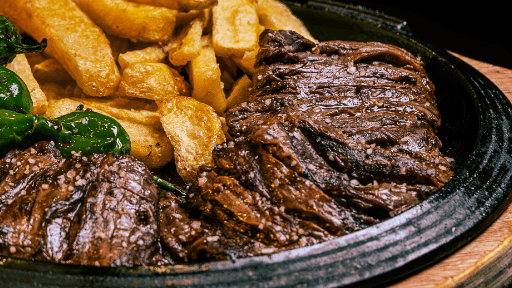
Understanding Steak Quality
Choosing the perfect steak isn't just about picking the most expensive cut. As professional butchers, we look for specific indicators that tell us about the meat's quality, flavor potential, and cooking characteristics.
The key factors that determine steak quality include marbling, color, texture, aging process, and the animal's diet and lifestyle. Understanding these elements will help you select steaks that deliver exceptional flavor and tenderness every time.
The Art of Marbling
Marbling refers to the white streaks of fat distributed throughout the meat. This intramuscular fat is crucial for flavor and tenderness, as it melts during cooking, basting the meat from the inside and creating that rich, buttery taste.
Butcher's Tip
Look for fine, evenly distributed marbling rather than large chunks of fat. The marbling should look like delicate lace work throughout the muscle, not concentrated in just one area.
Marbling Grades:
- Prime: Abundant marbling, exceptional tenderness and flavor
- Choice: Moderate marbling, very good quality
- Select: Slight marbling, leaner but still tender when cooked properly
Popular Steak Cuts Explained
Ribeye
Best for: Grilling, pan-searing
Rich marbling makes this cut incredibly flavorful and juicy. The fat content ensures it stays tender even if slightly overcooked.
Sirloin
Best for: Grilling, roasting
Leaner than ribeye but still tender, with excellent beefy flavor. Great value cut that's versatile for many cooking methods.
Fillet (Tenderloin)
Best for: Pan-searing, roasting
The most tender cut with mild flavor. Perfect for special occasions and those who prefer lean, melt-in-your-mouth texture.
Rump
Best for: Slow cooking, marinating
Lean cut with intense beef flavor. Benefits from marinating or slow cooking methods to maximize tenderness.
The Benefits of Dry Aging
Dry aging is a process where beef is stored in controlled conditions for several weeks, allowing natural enzymes to break down muscle fibers while concentrating flavors. This traditional technique, favored by quality butchers, produces steaks with:
- Enhanced tenderness from natural enzyme action
- Concentrated, nutty flavor profiles
- Improved texture and mouthfeel
- Reduced moisture content for better searing
While dry-aged steaks command higher prices, the investment pays off in exceptional flavor and dining experience that's impossible to achieve with fresh cuts.
What to Look For When Shopping
Color
Fresh beef should be bright red to deep red. Avoid steaks with gray or brown patches, though some darkening at the edges is normal for dry-aged beef.
Texture
The meat should feel firm to the touch, not soft or mushy. Quality steaks have a fine, tight grain structure.
Fat Quality
Fat should be creamy white or slightly yellow (indicating grass-feeding). Avoid steaks with gray or yellow-tinged fat, which may indicate age or poor storage.
Packaging
Check for proper vacuum sealing or butcher paper wrapping. Avoid packages with excess liquid or damaged packaging.
Expert Preparation Tips
Before Cooking
- Remove steak from refrigerator 30-45 minutes before cooking
- Pat completely dry with paper towels
- Season generously with salt at least 15 minutes before cooking
- Avoid piercing the meat with forks
During Cooking
- Use high heat for initial searing
- Don't move the steak until ready to flip
- Use a meat thermometer for accuracy
- Let rest 5-10 minutes after cooking
Finding Your Perfect Butcher
The best steaks come from butchers who understand quality, source responsibly, and can guide you to the perfect cut for your needs. Look for butchers who:
- Display meat properly with clear labeling
- Can explain the source and aging process
- Offer custom cutting services
- Provide cooking advice and recommendations
- Have clean, well-organized shops
Ready to Find Quality Steaks?
Use our directory to find expert butchers near you who can provide the quality cuts and professional advice you need for the perfect steak experience.
Find Local Butchers